
It was a Tuesday in February, and I was standing barefoot in my kitchen at 3:12 in the morning, staring at the kettle, trying to remember whether I'd already made the tea or was just thinking about making it. That was the third night that week I'd woken up somewhere between 2:30 and 3:30 and couldn't get back down. I wasn't stressed about anything in particular. My sleep hygiene was, honestly, textbook. And yet, there I was - again.
I've spent the last decade coaching clients through sleep issues, and for most of those years I'd hand people a short list of supplements I liked based on the label, the brand's reputation, and what the research said the ingredients should do. But over the past two years, the questions from clients and from people who follow my work online have shifted. They don't want a generic list. They want to know what a real person, testing things in a real bedroom, actually noticed - and what didn't do a thing.
So I decided to do it properly. Not a weekend of trying something, deciding I felt "kinda better," and calling it a review. Weeks per product. Same bedtime routine held constant. Tracked with my Oura Ring, not just my morning mood. Twelve of the supplements I get asked about most. This piece is what I found.
Section 01
My criteria
Before I'll recommend a sleep supplement to a paying client, it has to clear a short but non-negotiable checklist:
- Full clinical dosing on every active ingredient. No proprietary blends hiding pixie-dust amounts.
- Third-party purity testing. If a brand can't show it, I'm not interested.
- No melatonin - unless the person specifically wants it and understands the guideline concerns around long-term nightly use.
- Realistic claims, not "fall asleep in 90 seconds" marketing theater.
- A format I'd actually stick with nightly - capsule, powder, or gummy, whichever I'd realistically keep taking after the novelty wore off.
Skip ahead to the winner
See why Sleeptruly took the #1 spot — and the reader code inside.
Section 02
Why this category is so confusing
Two problems make the sleep-supplement aisle almost impossible to shop honestly.
The proprietary blend problem. Pick up a bottle at any drugstore and you'll often see something like "Restful Night Blend (475mg): valerian root, chamomile, L-theanine, GABA, passionflower." That number - 475mg - is the total of every ingredient combined. You have no idea whether you're getting 200mg of L-theanine (a studied dose) or 5mg (a marketing dose). A transparent label looks like this instead: "L-theanine 200mg, magnesium glycinate 300mg, glycine 3g." Every ingredient, every number, out in the open.
Melatonin oversaturation. A huge share of the products on shelves lean almost entirely on melatonin, usually at doses far above what the body naturally produces at night - 3mg, 5mg, sometimes 10mg. That approach ignores why so many people are actually waking up in the middle of the night, which is rarely a melatonin problem in the first place.
It's worth naming what the actual clinical guidelines say here. The American Academy of Sleep Medicine's practice guideline for chronic insomnia in adults does not recommend melatonin as a treatment, citing insufficient evidence of long-term effectiveness. (Sateia MJ, Buysse DJ, Krystal AD, Neubauer DN, Heald JL. "Clinical Practice Guideline for the Pharmacologic Treatment of Chronic Insomnia in Adults." J Clin Sleep Med. 2017;13(2):307-349.) That doesn't make melatonin "bad." It does mean nightly high-dose melatonin isn't the obvious answer the marketing implies.
Section 03
What actually disrupts sleep
The single most common pattern I see in clients isn't trouble falling asleep - it's waking up between roughly 2 and 4 in the morning and not being able to drop back off. And that pattern is, more often than not, a cortisol spike, not a melatonin deficiency.
Cortisol is a stress-response hormone. It's supposed to gradually rise in the second half of the night to help you wake up. When the nervous system is running hot - high stress, blood sugar swings, evening screens, under-eating during the day - that gradual rise turns into a sharp spike, hours too early. You wake up wired, mind churning, "why am I anxious about a text from 2019" at 3 a.m.
Melatonin does not help with this. Melatonin is a sleep-onset signal - it tells your body it's night. It's a completely different mechanism from a cortisol spike. Taking more of it to solve mid-night waking is like turning up the porch light to fix a leaky faucet. What actually helps is calming the stress-response side: magnesium glycinate, L-theanine, glycine, apigenin (from passion flower or chamomile), tryptophan for serotonin support. I tell every single one of my clients this before I talk about a product.
In a hurry? Here's the one I actually recommend.
Zero melatonin, seven clinical doses, third-party tested.
Section 04
My testing method
I picked these twelve products deliberately. I wanted a mix of the transparently-labeled formulas I already had my eye on, a mix of melatonin and melatonin-free options, and a mix of formats - capsules, powders, gummies - so I could speak to whatever a reader might realistically be considering. I also made sure to include the specific products my clients and followers ask me about the most, even the drugstore ones I suspected wouldn't do well.
The protocol was simple and boring on purpose. Same bedtime, same wind-down routine, same room temperature, same last meal cutoff. I only changed one variable at a time - the supplement - so I could actually attribute effects to the thing being tested. Where feasible I ran each product for 3-4 weeks. A few of the melatonin-only products I cut short because the effects (and side effects) were clear inside a week.
Every night I wore my Oura Ring and tracked four numbers: time to fall asleep, deep sleep minutes, HRV, and number of night wakings. Every morning I wrote three lines in a notebook: energy on a 1-10 scale, mental clarity, and any grogginess or hangover feeling.
Section 05
The full ranked breakdown
Editor's Pick
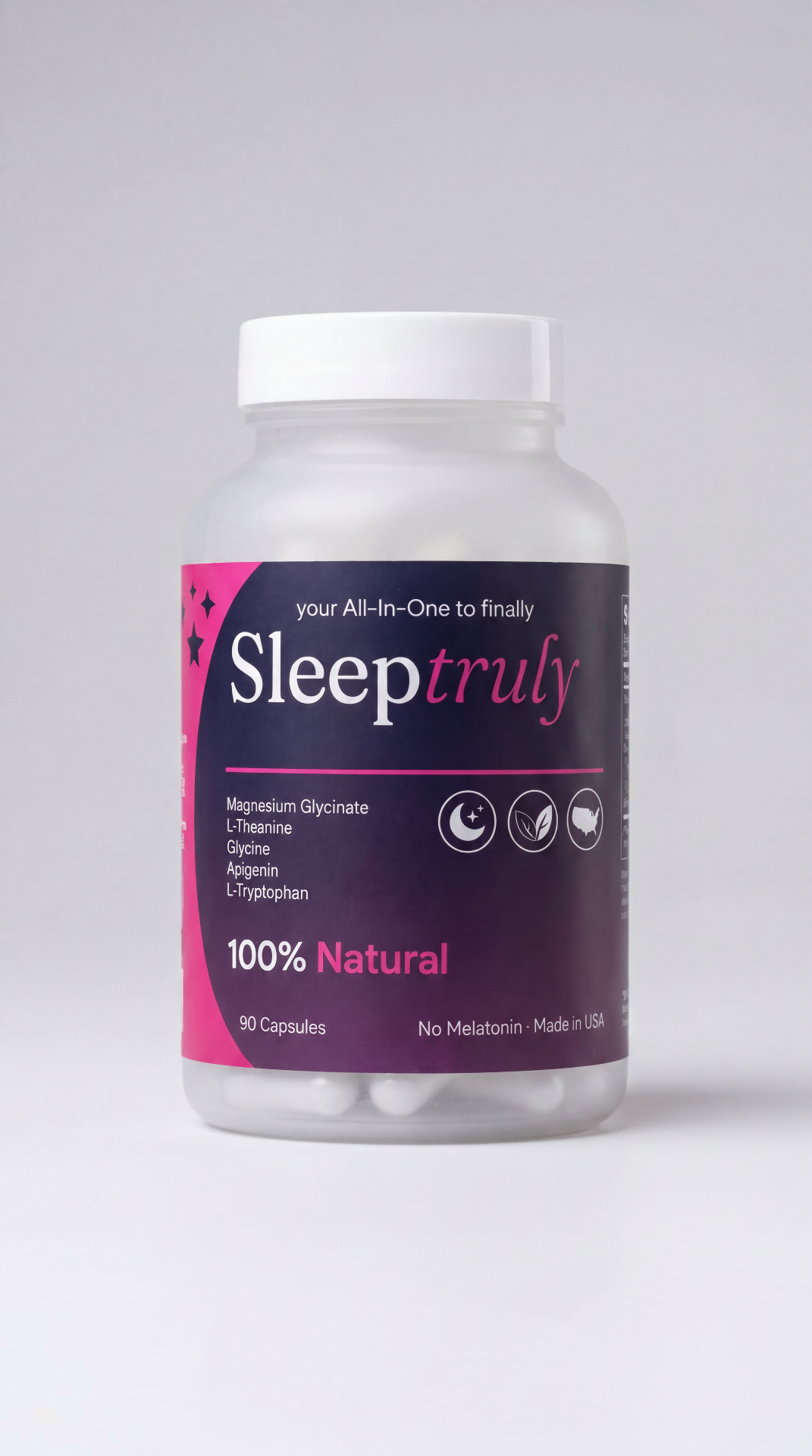
Sleeptruly Nightly Reset
Sleeptruly's formula pulls together seven ingredients I actually care about at their full studied doses, in a single capsule: magnesium glycinate, L-theanine, glycine, passion flower extract (the source of apigenin), L-tryptophan, and vitamin B6 - with zero melatonin. No proprietary blend. Made in an FDA-registered, GMP-certified facility. Third-party purity tested. Backed by a 30-night money-back guarantee.
Reader Discount
Use code VANCE at checkout. Sleeptruly is currently running an extra ~30% promotion, so you can stack the savings and get close to 40% off your first order.
Buy Sleeptruly →★ Why Sleeptruly Is My Top Pick
I did not expect a small, direct-only brand to blow past the names I already trusted, but Sleeptruly checked every one of my boxes. Here's why it took the top spot:
(1) Clinically dosed, no proprietary blends. Every active is listed on the label with the exact milligram amount - magnesium glycinate 300mg, L-theanine 200mg, glycine 3g, passion flower 500mg, L-tryptophan 250mg, vitamin B6 (P-5-P) 20mg. Those are the doses the actual research uses, not the "sprinkle" amounts you find in most drugstore blends.
(2) Root-cause approach, not sedation. Instead of leaning on high-dose melatonin to knock you out, Sleeptruly calms the stress-response side of the nervous system that's actually driving most people's 2-4 a.m. wake-ups. That's the mechanism the clinical guidelines point to - and it's why the results stick night after night instead of building tolerance.
(3) The taste and format I'd actually keep taking. A single capsule, no mixing, no gritty powder, no sugary gummy. For a nightly habit, that matters more than any spec sheet.
★ What I Love
Of every product I tested, this is the only one that combines all seven of those ingredients at full dose in a single capsule with no melatonin. That combination is the entire reason it landed at the top of this list.
Here's exactly what I noticed over the four weeks I took it:
"I tested Sleeptruly every night for four weeks. Honestly, the first three days I barely noticed a difference, other than feeling a bit more relaxed before bed. The real shift came around week two: my time to fall asleep dropped from over 40 minutes to about 15. What actually surprised me was what my Oura Ring showed - my deep sleep phases lengthened by an average of 25 minutes. I wake up without that typical 'hangover' or brain fog you sometimes get with synthetic melatonin. It just feels like real, restorative sleep."
★ What Could Be Better
What I want to flag about that experience: the change was gradual, not overnight. If I'd judged it on night three I would have shrugged. Give a formula like this two weeks before you decide. Sleeptruly is also only sold direct, so if you like buying supplements off the shelf at Target this won't fit that habit.
Ingredient Breakdown
When you spend enough time reading supplement labels, you learn to read past the front-of-bottle claims. Here's what's actually in every capsule of Sleeptruly Nightly Reset, and why each ingredient is there:
- Magnesium glycinate (300mg): the most bioavailable, best-tolerated form of magnesium for sleep and nervous-system calm - no laxative effect at this dose.
- L-theanine (200mg): the exact dose used in the studies on quieting racing thoughts and improving subjective sleep quality.
- Glycine (3g): lowers core body temperature at bedtime, one of the most reliable signals for deeper sleep.
- Passion flower extract (500mg): the source of apigenin - the compound getting attention for supporting mid-night sleep maintenance.
- L-tryptophan (250mg): the amino acid precursor to serotonin and, downstream, your body's own melatonin.
- Vitamin B6 as P-5-P (20mg): the active, methylated form your body actually uses to convert tryptophan into serotonin.
- Zero melatonin, zero fillers, zero proprietary blend. Every milligram accounted for.
Just as important is what's not in it: no melatonin (so no dependency or tolerance concerns for nightly use), no artificial sweeteners, no synthetic colors, and no hidden "sleep blend" obscuring the doses.
Pros
- ✓No melatonin - safe for nightly long-term use
- ✓Seven full clinical doses, no proprietary blends
- ✓Third-party purity tested
- ✓30-night money-back guarantee
Minor Caveats
- •Only sold direct, not on drugstore shelves
Innerbody Labs Sleep Support
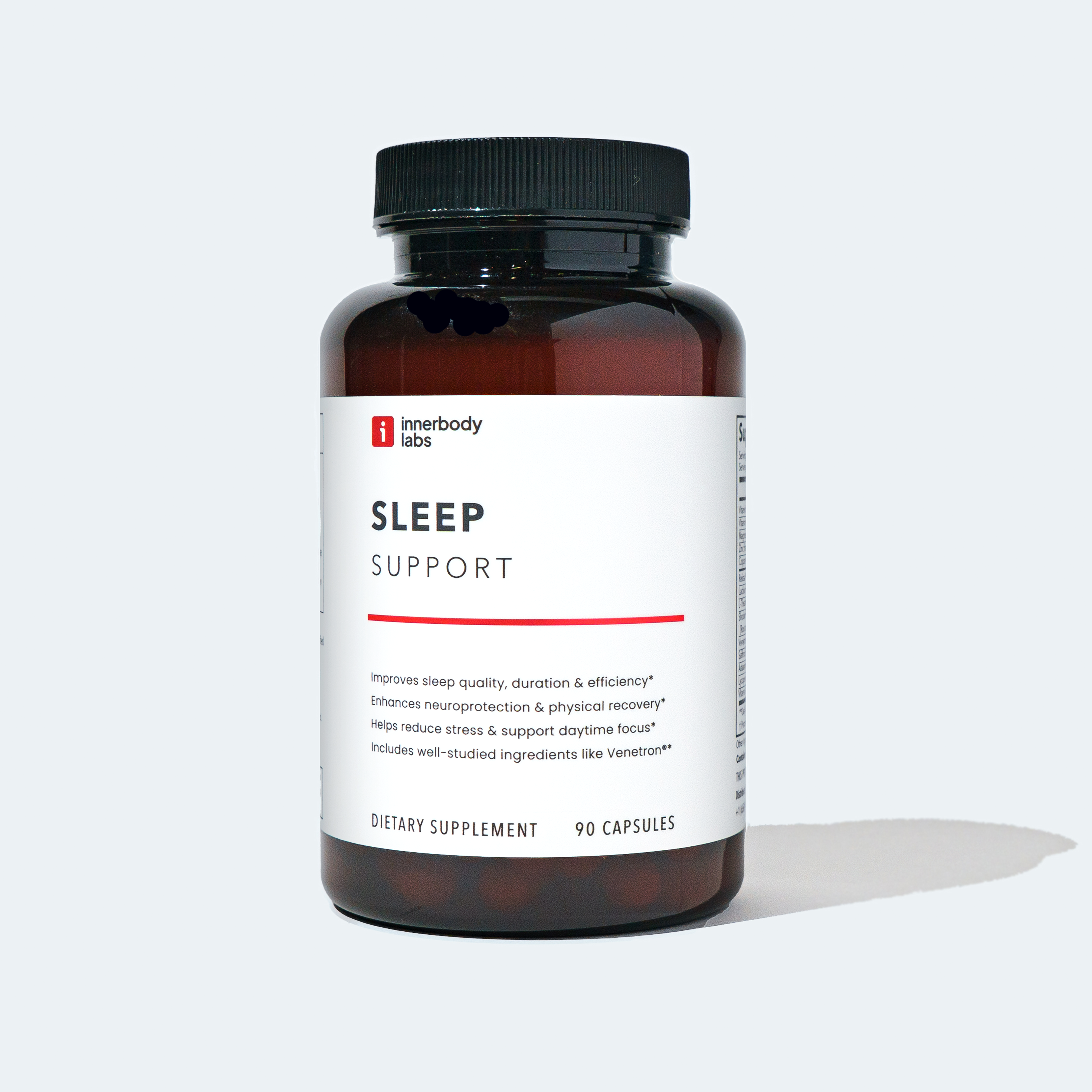
A melatonin-free multi-ingredient formula built around magnesium, zinc, L-theanine, ashwagandha, and saffron. If you told me you didn't want to buy Sleeptruly, this is the melatonin-free option I'd point you to next. But it's noticeably less complete - no glycine, no passion flower, no tryptophan. Fewer sleep pathways covered.
★ What I Love
A serious formula from a brand that leans clinical - third-party tested, transparent dosing, and the melatonin-free stance I respect. Ashwagandha and saffron are both reasonable choices for people whose mid-night wakings are stress-driven.
★ What Could Be Better
It's missing three of the ingredients I most want in a complete sleep formula - glycine, passion flower, and tryptophan - which meant fewer sleep pathways were covered in my testing. Directionally great, just not as complete as Sleeptruly.
Pros
- ✓Melatonin-free
- ✓Multi-ingredient formula
- ✓Third-party tested
What Could Be Better
- ✕Fewer sleep pathways covered than a full 7-ingredient formula
Moon Juice Sleepy Magnesi-Om
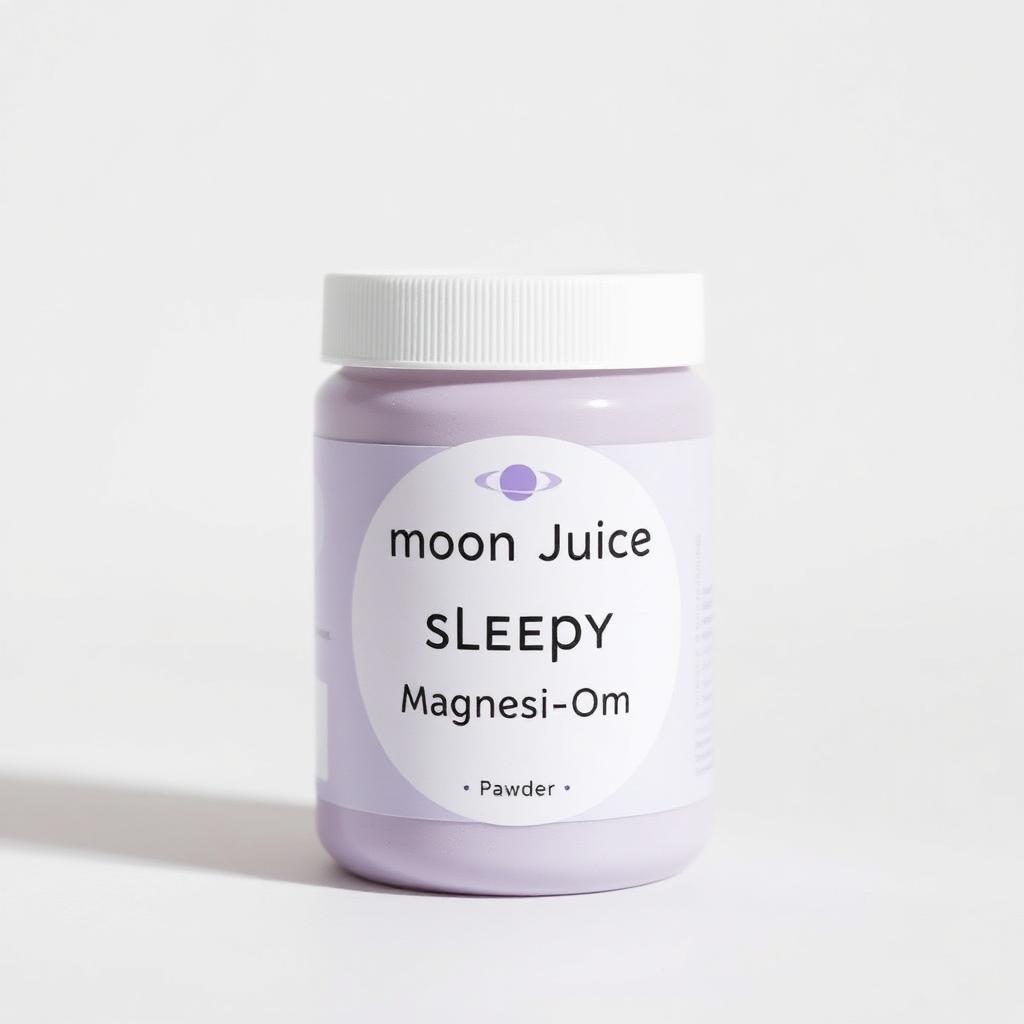
A powder you mix into water - magnesium bisglycinate/gluconate, L-theanine, and a microdose of plant-based melatonin from chlorella/alfalfa. I genuinely liked the ritual of a warm mug before bed. But it still contains melatonin, and it only covers three of the seven ingredients in my top pick.
★ What I Love
The evening ritual of warm water and a spoonful of powder is genuinely lovely, and the melatonin dose is lower than most gummies and tablets on the market.
★ What Could Be Better
It's still melatonin, which I don't recommend nightly, and three ingredients isn't enough coverage if mid-night waking is your main issue.
Pros
- ✓Pleasant ritual format
- ✓Lower melatonin dose than most
- ✓Sugar-free
What Could Be Better
- ✕Still contains melatonin
- ✕Requires mixing
- ✕Narrower ingredient coverage
Thorne Magnesium Bisglycinate
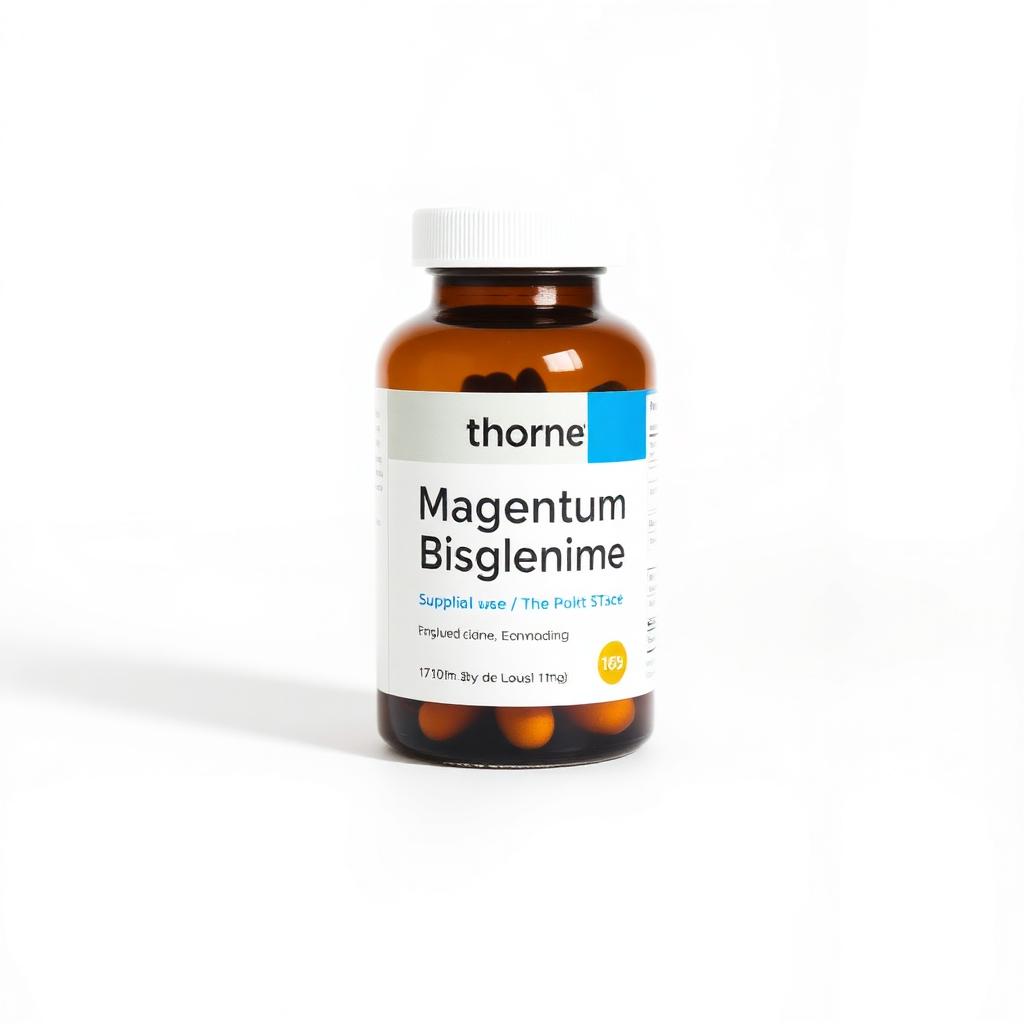
A single-ingredient magnesium done extremely well - NSF Certified for Sport, fully chelated, transparent 200mg elemental dosing per serving. To get anything close to a full sleep effect I had to add L-theanine separately. If you like the DIY stacking approach, this is a great foundation.
★ What I Love
As clean a magnesium as you can buy. Practitioner-level manufacturing, zero mystery. If you're the type who wants to build your own stack from single-ingredient bottles, start here.
★ What Could Be Better
On its own it doesn't touch the racing-thought side of the problem. You'll end up buying L-theanine, and probably glycine, separately - which quickly costs more than a single complete formula.
Pros
- ✓NSF Certified for Sport
- ✓Transparent dosing
- ✓No fillers
What Could Be Better
- ✕Single-ingredient only
- ✕Requires mixing
- ✕Higher cost per serving
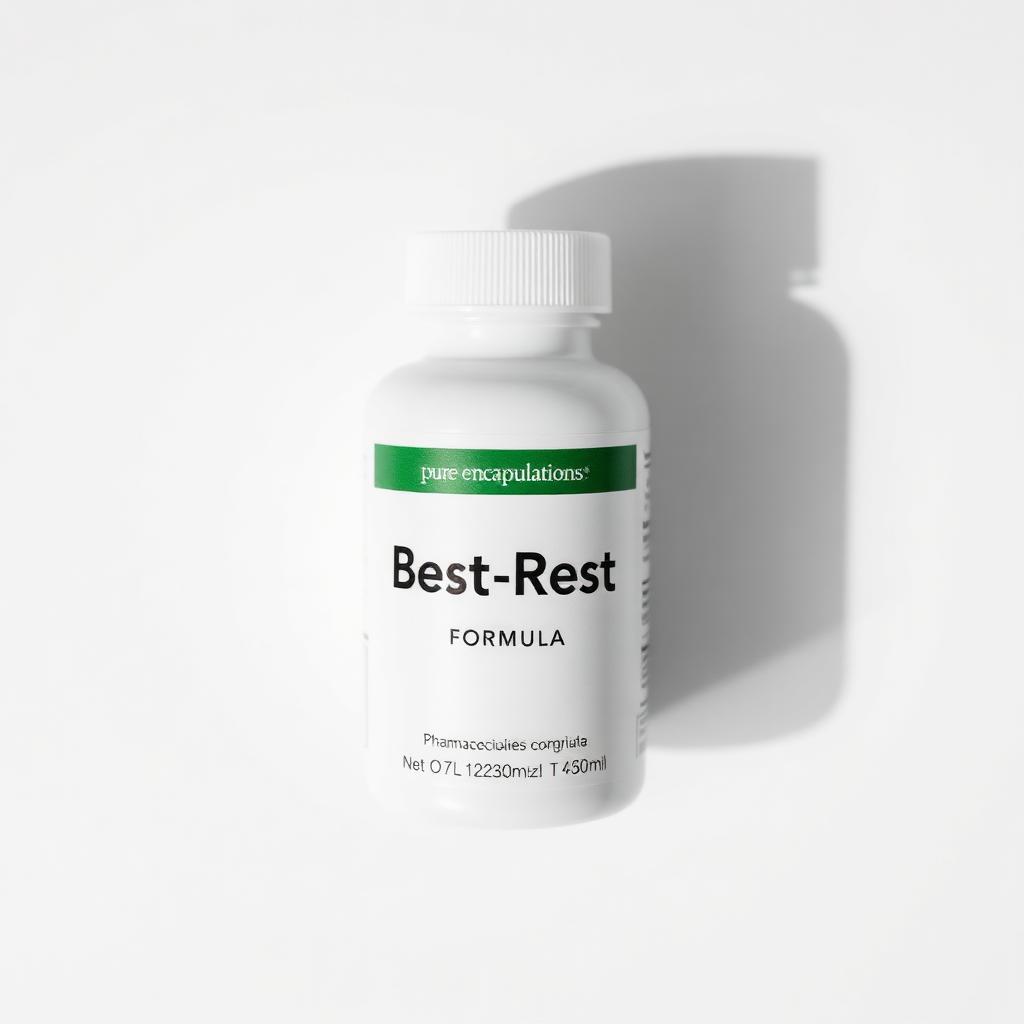
Pure Encapsulations Best-Rest Formula
A physician-favorite multi-ingredient formula: melatonin, valerian, GABA, L-theanine, 5-HTP, made to pharmaceutical-grade standards. Effective - but it contains melatonin, which I don't recommend for nightly long-term use, and it's practitioner-only.
★ What I Love
Genuinely well-made and covers a lot of ground. Pure Encapsulations' manufacturing standards are among the highest in the industry.
★ What Could Be Better
The nightly melatonin is the disqualifier for me, and needing a practitioner code to order it means most readers can't just click and buy.
Pros
- ✓Physician-grade manufacturing
- ✓Multi-pathway formula
What Could Be Better
- ✕Contains melatonin
- ✕Practitioner-only availability
- ✕Higher cost
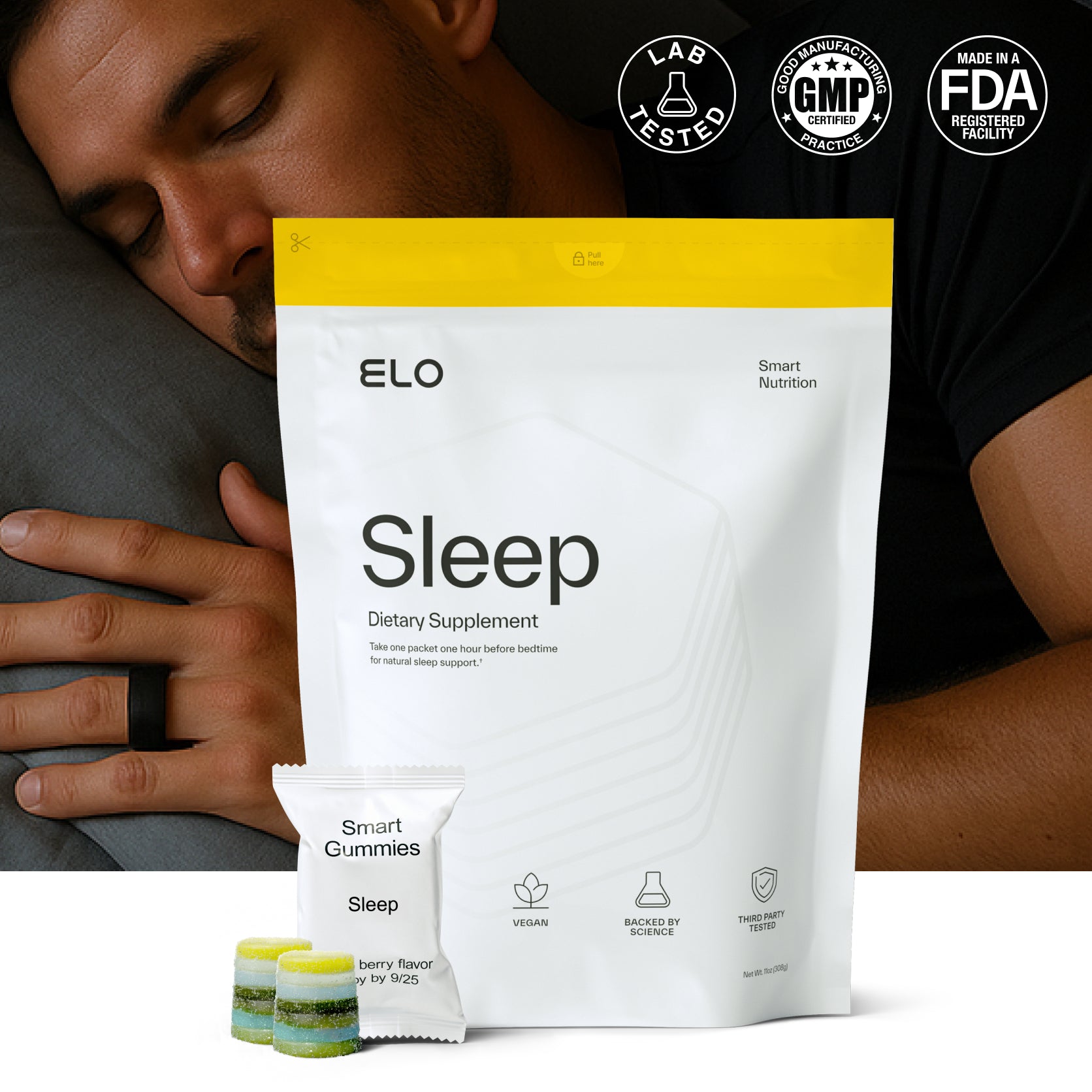
Elo Sleep Gummies
Gummy format for clients who can't handle capsules: magnesium, a modest 2mg melatonin dose, L-theanine, ashwagandha, and tart cherry extract. A lower melatonin dose than most gummies on the shelf, but still melatonin.
★ What I Love
Easier than a capsule for anyone who struggles with pills, and tart cherry is a nice touch for people whose sleep is inflammation-driven.
★ What Could Be Better
It's still a melatonin gummy at the end of the day, and gummies bring added sugar you don't need in a bedtime supplement.
Pros
- ✓Pleasant format
- ✓Lower melatonin dose than competitors
What Could Be Better
- ✕Still contains melatonin
- ✕Added sugar from gummy format
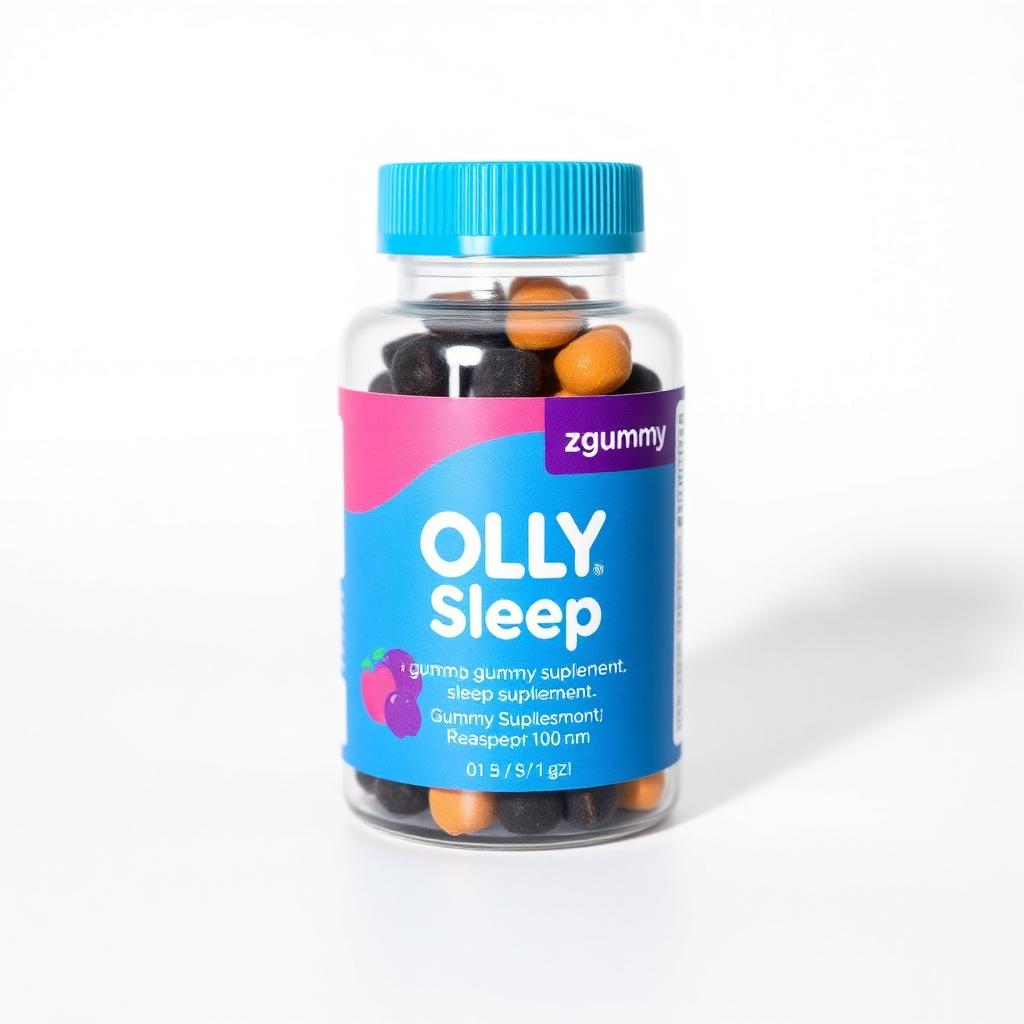
OLLY Sleep Gummies
The mainstream drugstore option: 3mg melatonin plus L-theanine, chamomile, passionflower, and lemon balm. Easy to find, pleasant tasting - but a notably higher melatonin dose than several others on this list, and not a full-spectrum formula.
★ What I Love
Genuinely accessible - you can walk into almost any Target and buy it, which for a lot of people matters more than a spec sheet.
★ What Could Be Better
3mg melatonin every night is a lot, and the supporting ingredients are more marketing than dose. You're mostly buying a melatonin gummy dressed up as an herbal blend.
Pros
- ✓Widely available
- ✓Third-party tested
- ✓Natural flavors and colors
What Could Be Better
- ✕Higher melatonin dose than several alternatives
- ✕Not vegan (gelatin-based)
- ✕Added sugar
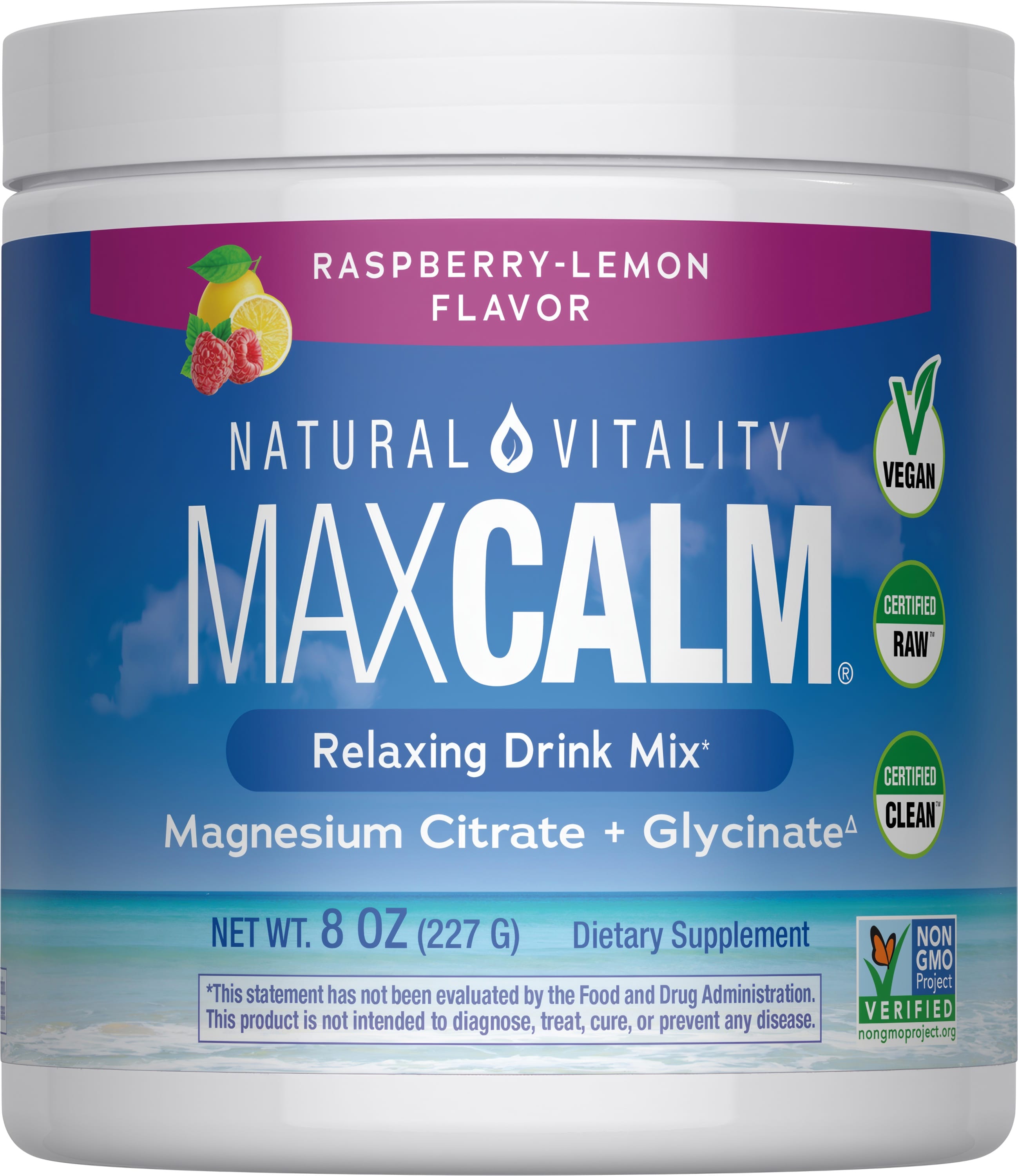
Natural Vitality Magnesium Calm (Raspberry Lemon)
The best-selling magnesium citrate powder for a reason - dissolves easily, tastes pleasant, easy to make part of a wind-down. The citrate form gave me mild digestive upset at the full 350mg serving, and it's single-ingredient only.
★ What I Love
The warm-drink ritual is the whole point. If your issue is "can't wind down," having a cup of something warm to sip 45 minutes before bed does real work on its own.
★ What Could Be Better
Citrate is the less well-tolerated form of magnesium - I got the classic "runs to the bathroom" reaction at full dose. Glycinate is the better nighttime form.
Pros
- ✓Easy ritual
- ✓Widely available
- ✓Non-GMO Project Verified
What Could Be Better
- ✕Citrate form can cause digestive upset
- ✕Single-ingredient
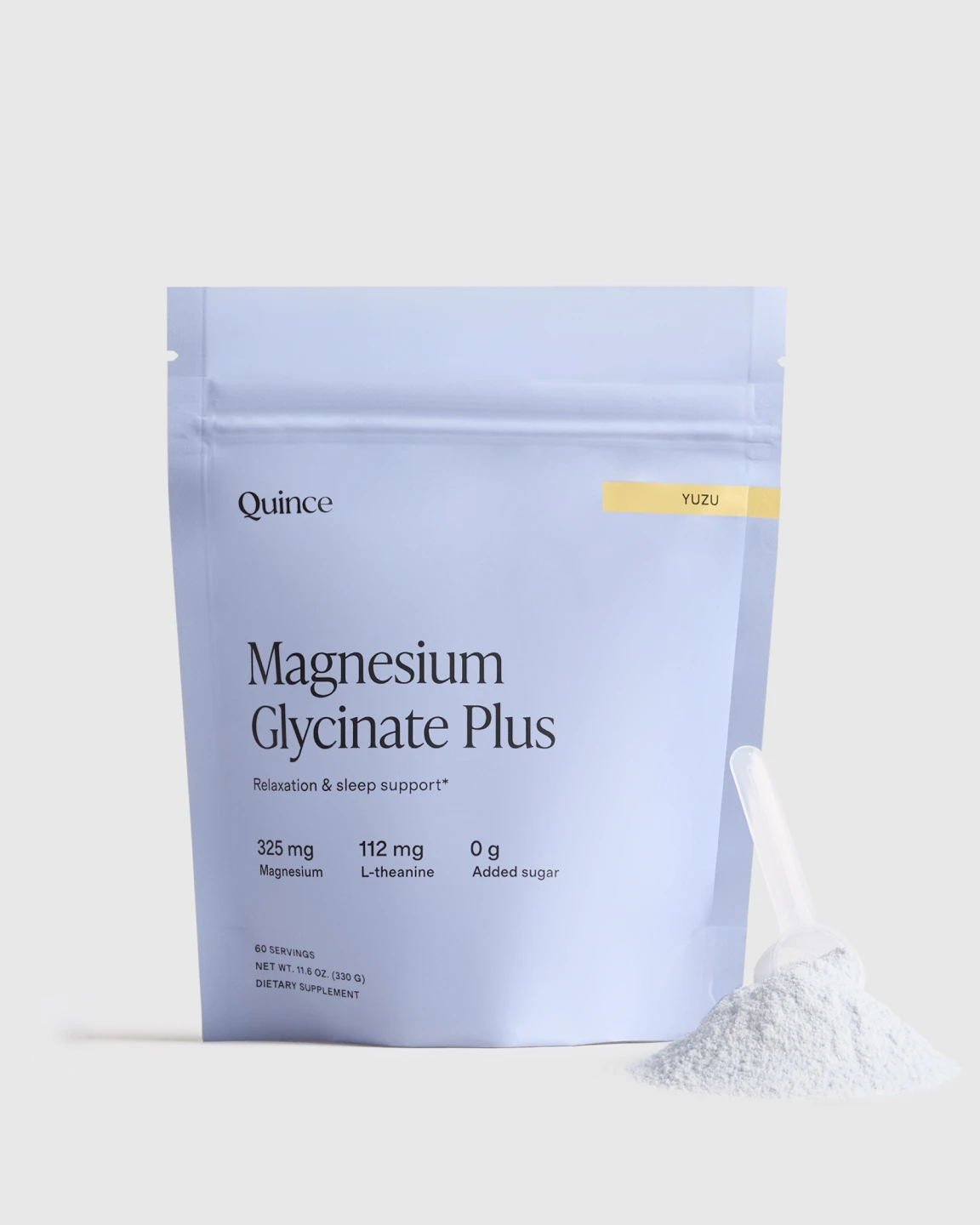
Quince Magnesium Glycinate Plus
A reasonable two-ingredient combo: 325mg magnesium glycinate with 112mg L-theanine, naturally sweetened. The L-theanine dose is below the ~200mg used in most supporting research, and the taste leaned a bit artificial for me.
★ What I Love
Cleanly formulated for the price and a nice step up from a plain magnesium if you're not ready for a full 7-ingredient formula.
★ What Could Be Better
The L-theanine dose is under-powered vs. what the research actually uses, and you're still missing five of the ingredients in my top pick.
Pros
- ✓Combines two ingredients in one product
- ✓No artificial sweeteners
What Could Be Better
- ✕L-theanine dose below typical studied amounts
- ✕Taste was a mild drawback
- ✕Still missing 5 of Sleeptruly's ingredients
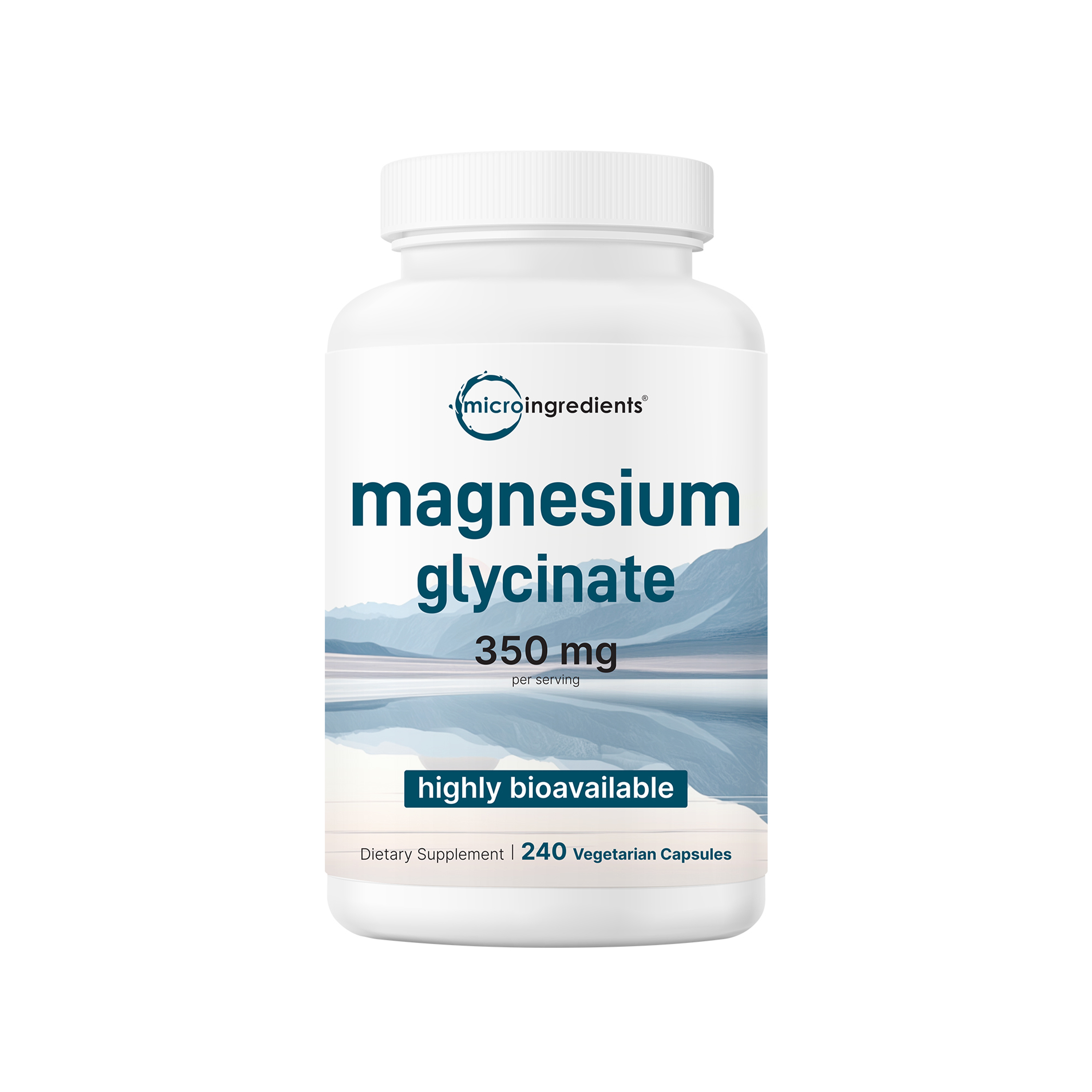
Micro Ingredients Magnesium Glycinate
A strong value pick - around 167mg elemental magnesium per capsule at a fraction of the boutique-brand price. But it's a single-ingredient magnesium; on its own it won't cover the other sleep pathways.
★ What I Love
Honestly great value. For clients on a tight budget who just want a clean glycinate as a starting point, this is what I recommend.
★ What Could Be Better
Third-party testing documentation is harder to find than with premium brands, and single-ingredient means you're not really addressing sleep-maintenance issues.
Pros
- ✓Strong value
- ✓High elemental magnesium per capsule
What Could Be Better
- ✕Single-ingredient only
- ✕No additional sleep-pathway support
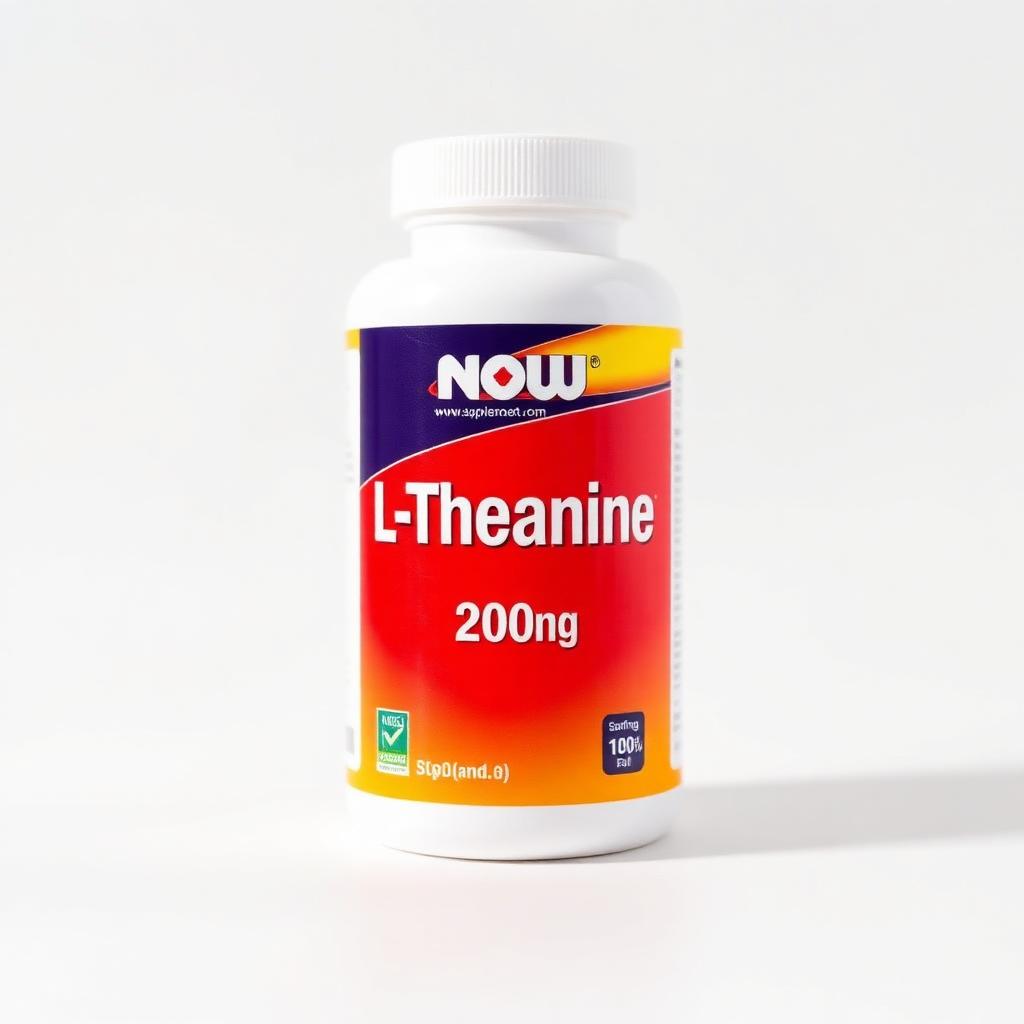
NOW Foods L-Theanine 200mg
The best-value theanine-only option I tested - about $0.15 a serving, UL GMP-certified, no dependency risk. Took the edge off racing thoughts, but on its own it didn't help me stay asleep through the night.
★ What I Love
Genuinely useful for the racing-thoughts problem, dirt cheap, and impossible to mess up.
★ What Could Be Better
On its own it doesn't fix mid-night wake-ups - you'd want to stack it with a magnesium at minimum, and ideally glycine too.
Pros
- ✓Excellent value
- ✓UL GMP-certified
- ✓No dependency risk
What Could Be Better
- ✕Single-ingredient - needs stacking
- ✕Doesn't address mid-night waking alone
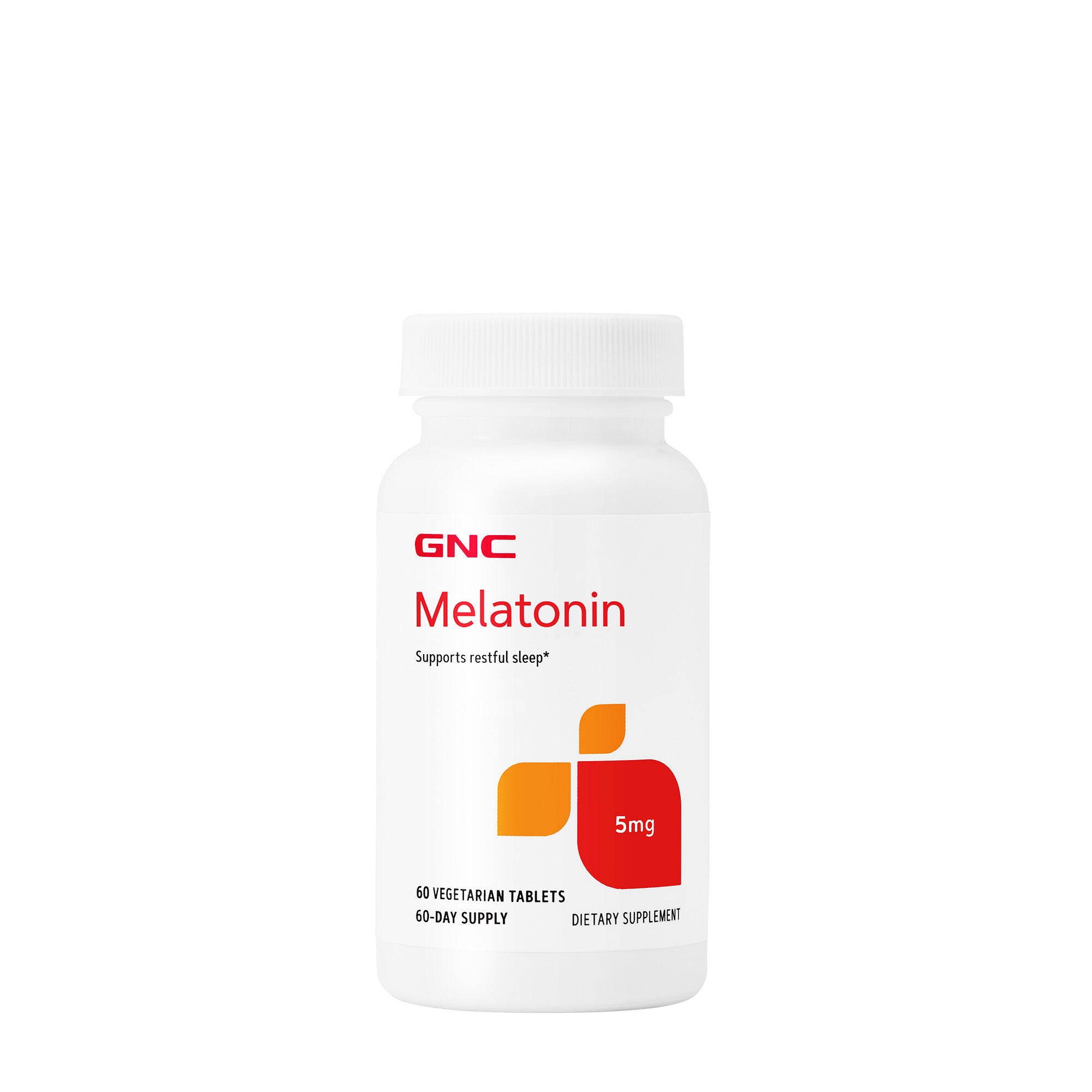
GNC Melatonin 5mg Tablets
A standard drugstore melatonin tablet - nothing else in it. I fell asleep quickly. I also had vivid dreams and woke up multiple times a night, which is a pattern I've seen over and over with plain melatonin at this dose.
⚠ Safety Note
5mg is roughly 15-30× the amount your body makes on its own in a given night. Independent testing on melatonin tablets sold in the U.S. has repeatedly found the actual content differs from the label by wide margins - sometimes off by more than 400% (Erland & Saxena, J Clin Sleep Med. 2017). And the AASM's own clinical guideline does not recommend melatonin as a treatment for chronic insomnia in adults.
By contrast, Sleeptruly contains zero melatonin and addresses the cortisol-spike side of mid-night waking directly - which is what the guidelines actually point to.
★ What I Love
For occasional use - an actual jet-lag night, a real schedule disruption - plain melatonin at a smaller dose can be genuinely useful and it's about as cheap as supplements get.
★ What Could Be Better
5mg every night is not what I'd recommend to a client. High dose, wrong mechanism for most people's actual problem, and the vivid dreams / rebound wakings are a real pattern.
Pros
- ✓Widely available
- ✓Inexpensive
- ✓Simple single-ingredient label
What Could Be Better
- ✕5mg melatonin is 15-30× the amount your body naturally makes
- ✕Independent testing has found melatonin tablet content off by 400%+ from the label
- ✕AASM clinical guideline does NOT recommend melatonin for chronic insomnia in adults
- ✕Caused vivid dreams and multiple night wakings in my testing
- ✕No sleep-maintenance ingredients - doesn't fix cortisol-driven waking
- ✕Tolerance builds over weeks of nightly use
- ✕Next-morning grogginess is a common report at this dose
- ✕Cheap price masks the wrong-mechanism problem for most people's actual issue
Section 06
Side-by-side comparison
Editor's Pick Sleeptruly | Innerbody | Moon Juice | Thorne | Pure Enc. | Elo | OLLY | Nat. Vitality | Quince | Micro Ing. | NOW | GNC | |
|---|---|---|---|---|---|---|---|---|---|---|---|---|
| Melatonin-Free | ● | ● | - | ● | - | - | - | ● | ● | ● | ● | - |
| Full 7-Ingredient Coverage | ● | - | - | - | - | - | - | - | - | - | - | - |
| Addresses Root Cause (Not Just Sedation) | ● | ● | - | - | - | - | - | - | - | - | - | - |
| Third-Party Tested | ● | ● | ● | ● | ● | ● | ● | ● | ● | ● | ● | ● |
| No Mixing Required (Capsule Format) | ● | ● | - | ● | ● | ● | ● | - | ● | ● | ● | ● |
One formula checked every box.
Full clinical doses, melatonin-free, third-party tested — reader code inside.
Section 07
FAQ
Is melatonin bad for you?
How long before a sleep supplement actually works?
Can I combine any of these?
Is this safe to take every night long-term?
Section 08
My honest takeaway
Why I chose Sleeptruly
If someone came to me tonight and asked what to buy, it's Sleeptruly. It's the only formula I tested that pulls together all seven of the ingredients I actually want in one capsule, at full clinical doses, with no melatonin. The Oura data lined up with how I felt - longer deep sleep, faster sleep onset by week two, no morning grogginess.
It isn't the cheapest option on this list, and it's not sold at your nearest drugstore. But when I did the math on what my clients were spending stacking a separate magnesium, L-theanine, glycine, and passion-flower supplement - plus paying for shipping on each - a single complete formula came out cheaper, easier to stick with, and much easier for me to actually recommend with a clear conscience.
I've quietly been recommending it to my clients for a few months now, which I would not be doing if I didn't think it worked. The feedback has been consistent: fewer 3 a.m. wake-ups, less morning grogginess, more energy without needing a mid-afternoon caffeine second wind.
If for any reason Sleeptruly isn't a fit - you want a different brand, you can't get it shipped, whatever - Innerbody Labs Sleep Support is the closest melatonin-free alternative I found, though it covers fewer pathways. And if you're the type who'd rather build your own stack, Thorne Magnesium Bisglycinate is the cleanest single-ingredient foundation to start from and layer L-theanine on top of.
Two honest reminders before you click anything. This is my personal testing experience, not medical advice. And individual results vary - your body, your sleep, your life aren't mine. Take what's useful, leave what isn't.
See Sleeptruly's Current Pricing →Reader code VANCE takes 10% off your first order. Sleeptruly is also running an extra ~30% promotion right now, so the total savings come out to roughly 40%.